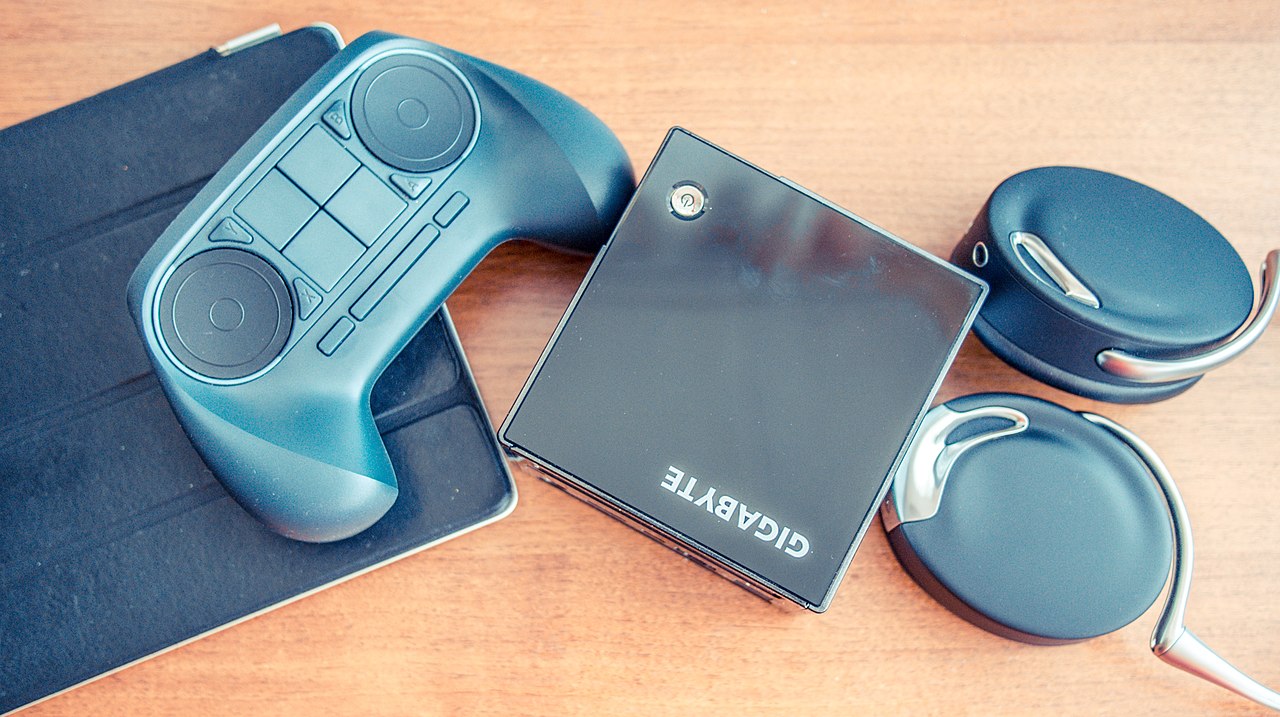
Valve, a name synonymous with PC gaming innovation, is once again poised to shake up the living room with its ambitious new hardware push, spearheaded by the highly anticipated Steam Machine. Originally unveiled with an eye towards an "early 2026" release, this next-generation living room PC, alongside the Steam Frame VR headset and an updated Steam Controller, represents Valve's second major attempt to bridge the gap between powerful PC gaming and the comfort of the couch. However, the path to market has proven to be fraught with challenges, as industry-wide component shortages threaten to push back Valve's carefully laid plans.
Valve's Renewed Vision: A Next-Gen Living Room PC
More than a decade ago, Valve embarked on its first Steam Machine venture, an attempt to bring the open-ended nature of PC gaming directly to living rooms. While innovative for its time, that initial effort faced hurdles, primarily due to its reliance on Linux-based SteamOS and a somewhat fragmented ecosystem of OEM hardware specifications. Fast forward to today, and Valve is approaching its new Steam Machine with invaluable lessons learned, particularly from the resounding success of the Steam Deck.
The new Steam Machine is envisioned as a compact, powerful PC, meticulously designed to fit seamlessly into both desktop setups and living room entertainment centers. Unlike its predecessor, which aimed to establish a new category from scratch, this iteration benefits from the robust foundation laid by the Steam Deck. We can anticipate a deeply integrated hardware-software experience, likely running a refined version of SteamOS with Proton compatibility, making a vast library of Windows-native games playable out of the box. This focused approach, combining Valve's expertise in software and hardware, positions the new Steam Machine to be a compelling alternative to traditional consoles and pre-built gaming PCs alike.
This isn't just about the main unit either. Valve's broader hardware strategy for 2026 also includes the Steam Frame VR headset and a new Steam Controller. These accompanying devices signal a holistic approach, aiming to create an interconnected ecosystem that enhances various gaming experiences, from traditional flat-screen gaming to immersive virtual reality.
The Elusive Steam Machine 2026 Release Window
When Valve initially announced its trio of new hardware products in November, the excitement was palpable, with an "early 2026" release window floated. Gamers and tech enthusiasts eagerly awaited more specific pricing and launch dates, expected to follow in the new year. However, as January 2026 came and went, Valve offered an update that tempered expectations: delays were imminent.
The primary culprit behind this setback is a familiar foe in the tech industry: persistent and rapidly escalating shortages of critical components, specifically memory (RAM) and storage. Valve openly admitted, "When we announced these products in November, we planned on being able to share specific pricing and launch dates by now. But the memory and storage shortages you've likely heard about across the industry have rapidly increased since then." The limited availability and soaring prices of these components have forced Valve to reassess its manufacturing schedule and pricing strategies.
While Valve still hopes to ship its new hardware in 2026, the specific timing has become considerably more fluid. Initially targeting the first half of the year, Valve's latest communications have shifted to a more general "2026" commitment, acknowledging the unpredictable nature of the supply chain. This situation mirrors challenges faced by numerous other PC and console manufacturers who are grappling with the same component crunch. For a deeper dive into the specifics of these delays, you can read our article on Steam Machine Delay: Valve Cites Chip & Memory Shortages.
Navigating the Component Crisis: Valve's Strategic Dilemma
The component shortages are not merely an inconvenience; they represent a significant strategic dilemma for Valve. The dramatic price increases on crucial parts like RAM and NAND flash storage over the past year are largely attributed to the insatiable demand from tech giants building colossal data centers to power the burgeoning field of AI software. This competition for components has created an unprecedented bottleneck, directly impacting the cost and availability for hardware manufacturers like Valve.
For Valve, the options are stark and carry significant implications:
- Delay Manufacturing and Shipping: This is the most conservative option, allowing Valve to wait for component prices to potentially stabilize or supply to increase. However, it risks alienating eager customers and losing momentum for a product that has already faced one major delay.
- Charge More for Hardware: Valve could absorb the increased component costs by passing them on to consumers. Yet, this directly conflicts with the likely goal of an "affordable" Steam Machine, a key factor in its potential widespread adoption, similar to the Steam Deck's appeal. A higher price point could severely impact its competitiveness against traditional consoles.
- Re-evaluate Hardware Ambitions: While less likely given the success of the Steam Deck and Valve's continued investment in hardware, extreme and prolonged shortages could force a re-think. However, Valve has proven its commitment to hardware, seeing it as a crucial extension of its Steam ecosystem.
The path Valve ultimately chooses will dictate not only the Steam Machine's release but also its market positioning and accessibility. Consumers, unfortunately, are caught in a waiting game, closely monitoring how Valve will navigate these turbulent waters. The company's decisions in the coming months will be critical in determining whether the Steam Machine can truly fulfill its promise. Explore more about these challenges and Valve's potential paths forward in our dedicated analysis: Valve's Steam Machine: Release Challenges, Price & Future Options.
What We Can Expect from the New Steam Machine (Specs & Features)
Despite the current uncertainty surrounding its release, we can infer a great deal about the new Steam Machine's likely specifications and feature set by examining Valve's recent hardware philosophy, particularly with the Steam Deck. While concrete specs remain under wraps, several aspects are highly probable:
- Optimized SteamOS Experience: Building on the Steam Deck's success, the new Steam Machine will almost certainly run a highly customized, user-friendly version of SteamOS. This Linux-based operating system, coupled with the powerful Proton compatibility layer, ensures that a vast majority of PC games run seamlessly, often with performance optimizations. This integrated software approach is key to delivering a "console-like" experience for PC gaming.
- Custom AMD APU: Following the successful collaboration on the Steam Deck's custom Aerith APU, it's highly probable Valve will partner with AMD again for a bespoke Accelerated Processing Unit for the Steam Machine. This would allow for a highly efficient and powerful chip, integrating CPU and GPU components for optimal performance in a compact form factor, capable of handling modern titles at respectable resolutions and frame rates on a living room TV.
- Living Room Form Factor: Expect a sleek, minimalist design that easily blends into an entertainment center. It will likely prioritize quiet operation and efficient cooling, crucial for a device meant to sit in a living room. Multiple USB ports, HDMI 2.1 support for high refresh rates and resolutions, and robust wireless connectivity (Wi-Fi 6E, Bluetooth 5.0+) are also anticipated.
- Enhanced Steam Controller: The accompanying new Steam Controller is expected to refine the innovative design of its predecessor, likely featuring improved haptics, more precise trackpads, and ergonomic enhancements. This controller aims to offer PC gamers a versatile input device that bridges the gap between traditional gamepads and mouse-and-keyboard precision.
- VR Integration with Steam Frame: The simultaneous release of the Steam Frame VR headset indicates a strong emphasis on virtual reality. The Steam Machine will be engineered to power VR experiences, potentially offering a more streamlined and accessible entry point into high-quality PC VR compared to traditional desktop setups.
While specific pricing remains the biggest unknown due to component volatility, Valve will undoubtedly aim for a competitive price point to make the Steam Machine an attractive proposition against both traditional consoles and mini-PCs.
The Future of Living Room Gaming & Valve's Role
Valve's renewed push with the Steam Machine underscores a persistent belief in the "living room PC" concept, a space traditionally dominated by dedicated gaming consoles. However, Valve's unique position as both a major game distributor (Steam) and a hardware innovator (Steam Deck, Valve Index) gives it distinct advantages this time around.
The Steam Machine isn't just another small form-factor PC; it's a carefully curated ecosystem designed to make PC gaming as accessible and convenient as console gaming. By controlling both the software (SteamOS) and the hardware, Valve can deliver an optimized, seamless experience that was missing from the original Steam Machine initiative. For consumers, this means more choice, potentially a more open gaming platform compared to closed console ecosystems, and the flexibility to leverage their existing Steam library on a new device.
The success of the Steam Machine 2026 will hinge on Valve's ability to navigate the current component crisis, deliver a compelling product at an attractive price, and continue to build on the goodwill earned with the Steam Deck. Should they succeed, the Steam Machine could solidify Valve's role as a true pioneer in diversifying how and where we play our favorite PC games.
The Steam Machine 2026 remains an exciting prospect for PC gamers seeking a dedicated living room experience. While Valve's initial timeline has been complicated by industry-wide memory and storage shortages, the company's commitment to releasing the hardware within 2026 offers a glimmer of hope. Leveraging the invaluable lessons from the Steam Deck, this new Steam Machine promises a refined, powerful, and integrated gaming solution, complemented by the Steam Frame VR and a new controller. Though we may all be playing a waiting game, the potential for Valve to redefine living room PC gaming is palpable, making the eventual launch of the Steam Machine a highly anticipated event.