Valve's Steam Machine: Navigating Release Challenges, Price Speculation & Future Horizons
Valve, a name synonymous with innovation in PC gaming, is once again setting its sights on revolutionizing the living room experience. The highly anticipated return of the Steam Machine, a compact yet powerful living room PC, has gamers and tech enthusiasts buzzing with excitement. However, the journey to its release has been anything but smooth, marked by significant challenges and a fluid timeline. Alongside the Steam Machine, Valve is also preparing to launch the cutting-edge Steam Frame VR headset and a new Steam Controller, aiming for a comprehensive hardware ecosystem. Yet, a looming industry-wide crisis is putting Valve's ambitious plans to the test, potentially impacting release dates and pricing strategies.
Originally announced for an "early 2026" or "Q1 2026" release, Valve has recently signaled further delays, pushing the launch window to a more general "2026," with hopes for the first half of the year. This shift stems directly from the ongoing global memory and storage shortages, an issue that has rapidly escalated since Valve's initial announcement last November. As Valve grapples with these unforeseen hurdles, the gaming community watches closely, eager for updates on what promises to be a significant leap forward for PC gaming in the home.
The Road to Release: Navigating Component Shortages
The primary antagonist in the Steam Machine's release saga is a familiar foe across the tech industry: a severe shortage and skyrocketing prices of critical components, particularly RAM and storage. What began as a mere concern has rapidly intensified, forcing Valve to re-evaluate its entire shipping schedule and pricing model. This isn't a problem exclusive to Valve; PC builders, console manufacturers, and even smartphone producers are feeling the squeeze.
The root cause of this scarcity is complex, but a major factor is the exponential growth in demand driven by the artificial intelligence (AI) sector. Tech giants are voraciously acquiring vast quantities of high-performance memory and storage components to build enormous data centers that power advanced AI software and services. This intense demand, coupled with existing supply chain constraints, has led to unprecedented price increases and limited availability for everyone else. For a company like Valve, which prides itself on delivering value and accessibility, this presents a monumental challenge.
As the situation currently stands, Valve has a few difficult paths ahead:
- Delay Manufacturing and Shipping: This strategy involves playing a waiting game, hoping for component prices to stabilize or supply to increase. While it might preserve the intended affordability of the Steam Machine, it prolongs the wait for eager consumers and risks losing momentum.
- Charge More for Hardware: Valve could absorb the increased component costs by raising the retail price of the Steam Machine. However, this directly conflicts with the original goal of offering an "affordable" living room PC experience, potentially alienating a significant portion of its target audience who might opt for more competitively priced consoles.
- Scrap Hardware Ambitions: A more drastic, albeit less likely, option would be to abandon the hardware push altogether and focus solely on its highly lucrative software and game distribution business via Steam. Given the success of the Steam Deck and Valve's renewed interest in hardware, this seems improbable.
The current situation highlights the intricate dependencies within the global tech supply chain and how unforeseen market shifts, like the AI boom, can ripple across various industries. For more detailed insights into the specific reasons behind these delays, you can read our dedicated article: Steam Machine Delay: Valve Cites Chip & Memory Shortages.
Pricing Puzzles: Balancing Affordability with Reality
The concept of an "affordable" living room PC has always been central to Valve's Steam Machine vision. The first iteration, launched over a decade ago, aimed to bridge the gap between console simplicity and PC gaming power. With the current generation, Valve is undoubtedly aiming for a competitive price point that makes the Steam Machine an attractive alternative to traditional gaming consoles or expensive custom-built PCs.
However, the escalating costs of RAM and storage components directly threaten this goal. If Valve were to maintain its initial, presumably lower, price target, it would either have to absorb massive losses per unit or compromise significantly on the hardware specifications, potentially undermining the "powerful" aspect of the new Steam Machine. Neither option is particularly palatable for a company focused on both profitability and product quality.
What does this mean for consumers?
- Potential Higher Starting Price: Gamers should prepare for the possibility of a higher price tag than initially speculated, especially if Valve decides to push forward without significant component price relief.
- Tiered Options: Valve might consider offering different configurations at various price points. A more basic model could aim for affordability, while premium versions with more storage or RAM would naturally cost more. This strategy could allow Valve to cater to a broader market while still offering a powerful experience.
- Bundle Deals: To sweeten the deal, Valve could bundle the Steam Machine with the new Steam Controller or offer game discounts, effectively adding value to a potentially higher-priced unit.
Valve's internal discussions on pricing will be crucial. The balance between delivering an innovative, high-performance product and ensuring it remains accessible is delicate. Success hinges on finding that sweet spot, even in a challenging economic landscape for hardware components.
Beyond the Delay: Valve's Vision for the Living Room PC
Despite the current release hurdles, Valve's renewed push into dedicated gaming hardware, particularly the Steam Machine, represents a significant strategic move. This isn't Valve's first rodeo; more than 12 years ago, they introduced the original Steam Machine concept. That attempt, while ambitious, ultimately faltered due to a reliance on Linux (which, at the time, lacked broad game compatibility) and a somewhat loose hold on OEM hardware specifications, leading to a fragmented user experience. The gaming landscape, and Valve's own capabilities, have evolved dramatically since then.
The success of the Steam Deck has fundamentally reshaped Valve's position in the hardware market. The Steam Deck proved that Valve could design, manufacture, and market a compelling piece of gaming hardware that resonated deeply with consumers. It also demonstrated the power of SteamOS (a Linux-based operating system optimized for gaming) and Proton (a compatibility layer) to run a vast library of Windows games seamlessly. These are lessons Valve is keenly applying to the new Steam Machine.
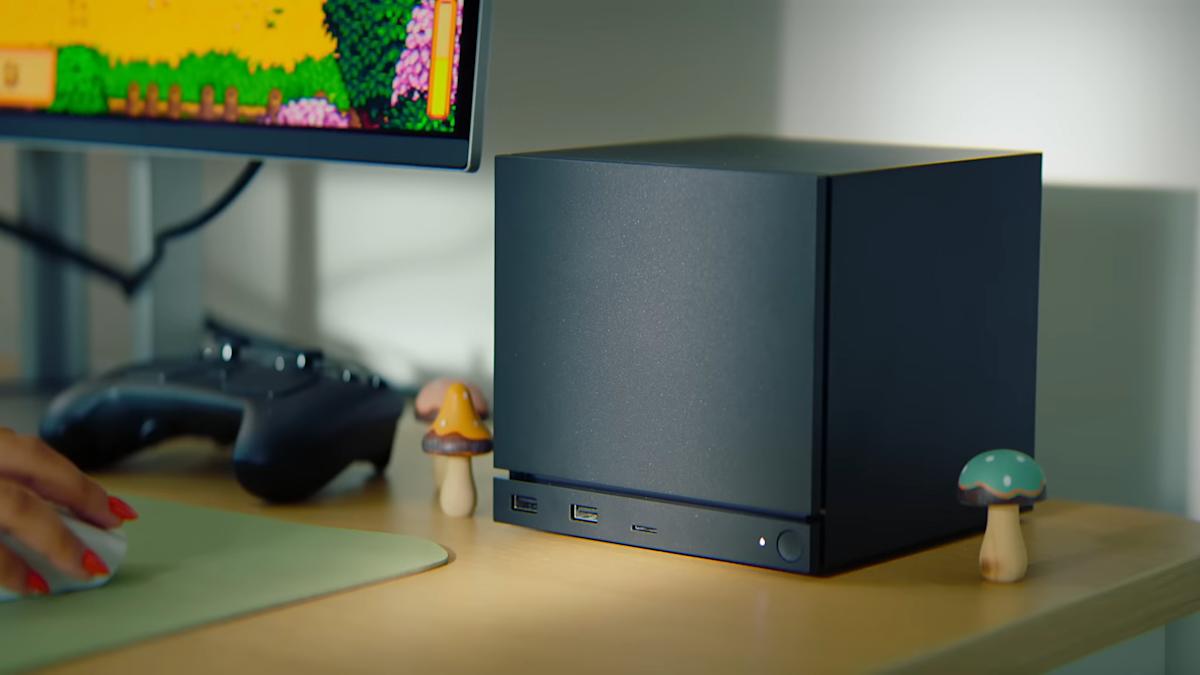
The new Steam Machine is envisioned as a compact, powerful PC designed for desks, living rooms, and beyond. It aims to deliver the full PC gaming experience, complete with access to the expansive Steam library, in a form factor that rivals traditional consoles. This "next-gen living room PC" promises to:
- Leverage Steam Deck's Success: Expect a refined SteamOS experience, intuitive user interface, and robust game compatibility, building directly on the foundation laid by the Steam Deck.
- Compact Powerhouse: Designed to fit seamlessly into any entertainment setup, offering significant processing and graphical power in a small footprint.
- Flexibility: While optimized for the living room, its PC roots mean it can serve multiple purposes, from gaming to media consumption and even light productivity.
- A Unified Ecosystem: The Steam Machine is part of a larger hardware push, including the Steam Frame VR headset and a new Steam Controller. This suggests Valve is building a cohesive ecosystem, where each piece of hardware complements the others, offering a comprehensive gaming solution.
Valve's commitment to hardware, particularly in the wake of the Steam Deck's triumph, signifies a renewed confidence and a clearer vision for its role beyond software distribution. For a deeper dive into what Valve has planned for its 2026 living room PC, explore our article: Steam Machine 2026: Valve's Living Room PC & What We Know.
The Trio of Innovation: Steam Machine, Steam Frame, and Steam Controller
It's important to remember that the new Steam Machine is not a standalone product but part of a strategic trio of hardware releases. Valve is simultaneously developing the Steam Frame VR headset and a new Steam Controller, all initially planned for release in 2026. This integrated approach suggests a holistic vision for the future of gaming, bridging traditional living room gaming with immersive virtual reality experiences.
- Steam Machine: The central pillar, acting as the powerful hub for gaming and media. Its success is critical for the other components to truly shine.
- Steam Frame VR Headset: While details are scarce, a new VR headset from Valve would undoubtedly push boundaries, potentially building on the innovations seen in the Valve Index. Integrating VR seamlessly into the Steam Machine ecosystem could offer a compelling, high-fidelity VR experience without the need for a separate, high-end PC.
- New Steam Controller: The original Steam Controller was known for its unique design and customizability. A new iteration could refine these features, offering even more precise and versatile control options for both traditional and VR gaming, potentially addressing some of the criticisms of its predecessor while capitalizing on its strengths.
The synchronized launch of these three devices, if Valve can overcome the component shortages, would create a powerful and unified gaming ecosystem. It would position Valve not just as a game distributor, but as a comprehensive hardware and software provider, challenging established console players and offering a distinct PC-centric alternative.
Conclusion
Valve's ambitious return to the living room PC arena with the new Steam Machine, accompanied by the Steam Frame VR and a new Steam Controller, signals a bold commitment to shaping the future of gaming. While memory and storage shortages have undeniably introduced significant challenges, leading to delays and pricing uncertainties, Valve's proven track record with the Steam Deck demonstrates their capability to innovate and execute. The decisions Valve makes regarding pricing and release strategy in the coming months will be critical, determining whether the Steam Machine can truly realize its potential as an affordable, powerful, and accessible living room PC. For now, gamers and tech enthusiasts alike are left playing a waiting game, hopeful that Valve will navigate these turbulent waters and deliver on its promise of an exciting new chapter for PC gaming in 2026.