Steam Machine Delay: Valve Cites Chip & Memory Shortages Threatening 2026 Launch
The highly anticipated return of the Steam Machine, Valve's ambitious push to bring PC gaming into the living room, alongside the innovative Steam Frame VR headset and a new Steam Controller, faces a significant hurdle. Valve has recently signaled further delays for its upcoming hardware trio, originally earmarked for an "early 2026" release. The culprit? Widespread shortages and rapidly increasing prices of crucial components like memory and storage chips, a challenge echoing across the entire tech industry.
For eager gamers and industry watchers alike, this news translates into a familiar waiting game. Valve, known for its groundbreaking platforms and hardware like the immensely successful Steam Deck, now finds itself wrestling with market forces that are reshaping production timelines and pricing strategies for manufacturers globally. This isn't just a minor blip; it's a systemic issue threatening the viability of original launch windows and potentially the very affordability Valve aims for with its new generation of hardware.
The Unforeseen Hurdles: Why Valve's Plans Are Shifting
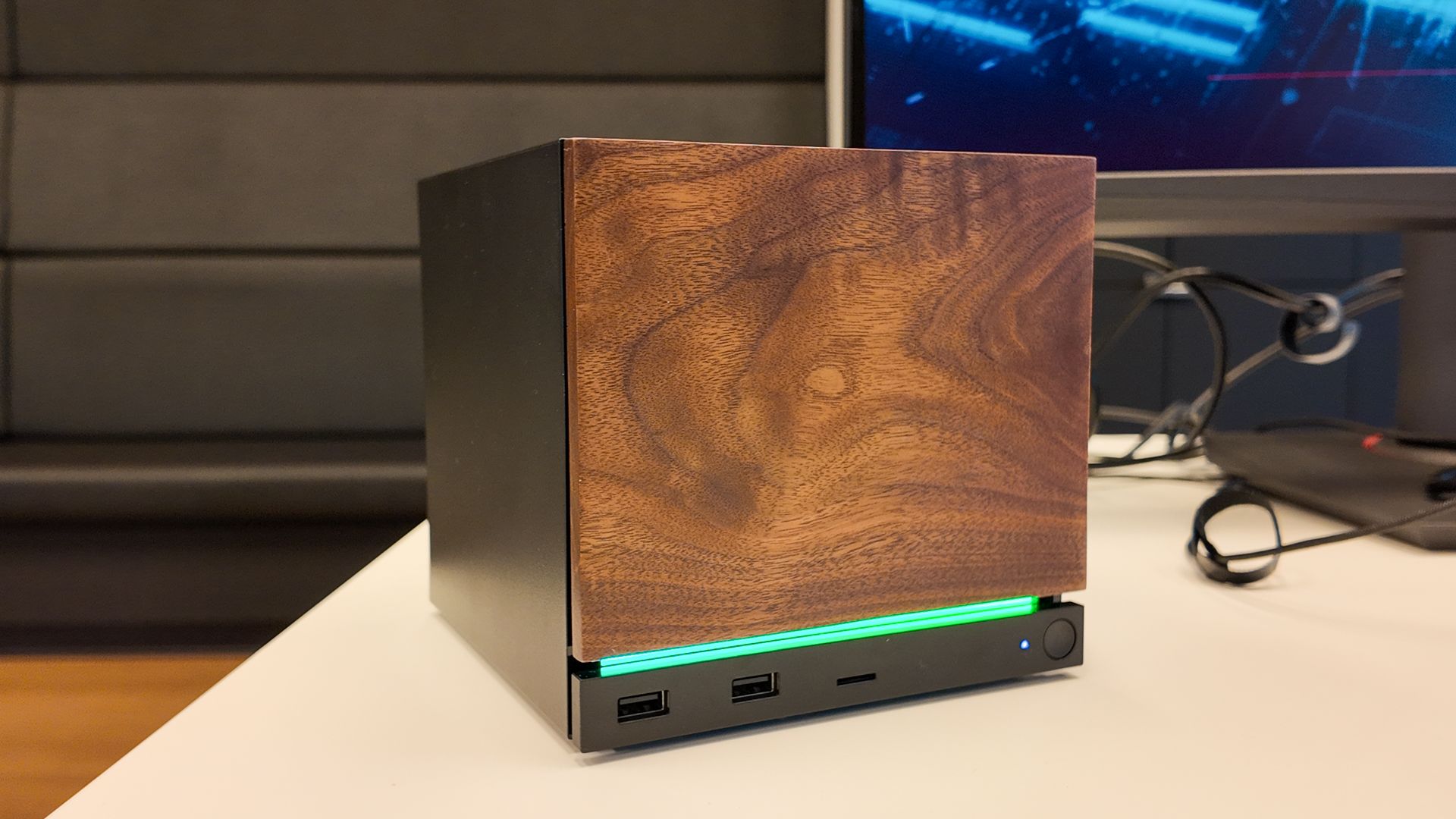
Valve's new hardware initiative, first unveiled last November, generated considerable excitement. The vision was clear: to build upon the lessons learned from the original Steam Machine's mixed reception and the overwhelming success of the Steam Deck. The new Steam Machine was designed as a compact, powerful living room PC, leveraging SteamOS and Valve's expertise to deliver a seamless gaming experience. Paired with the Steam Frame VR headset and an updated Steam Controller, it represented a comprehensive ecosystem intended to redefine how we play.
The initial plan was to share specific pricing and launch dates "after the first of the year" 2026, targeting an early 2026 release. However, as January came and went, Valve offered an update that tempered expectations significantly. "When we announced these products in November, we planned on being able to share specific pricing and launch dates by now. But the memory and storage shortages you've likely heard about across the industry have rapidly increased since then. The limited availability and growing prices of these critical components mean we must revisit our exact shipping schedule and pricing," Valve stated.
This "chip crisis" is not exclusive to Valve. It's a pervasive issue driven by a confluence of factors, most notably the colossal demand for components from the burgeoning Artificial Intelligence sector. Companies building enormous data centers to power AI software are swallowing up vast quantities of high-performance RAM and storage, creating a bottleneck for traditional hardware manufacturers like Valve, as well as PC and console makers. This insatiable demand has led to:
- Limited Availability: Essential components are simply harder to come by, even for major players.
- Spiraling Costs: With scarcity comes increased prices. What was once an affordable component can now significantly inflate manufacturing costs.
For Valve, these factors directly impact their ability to mass-produce the Steam Machine, Steam Frame, and Steam Controller at their desired price points and within their original timeframe. The ambitious "early 2026" goal has now become a more fluid "2026" window, with no specific quarter or month committed to.
Beyond the Delay: Valve's Tough Choices Ahead
As Valve navigates this challenging landscape, it faces a trio of unenviable options, each carrying its own set of risks and rewards. These choices will ultimately determine the future of their hardware ambitions and, crucially, the accessibility of the new Steam Machine.
Option 1: The Waiting Game – Delaying Production
The most immediate and likely path Valve is considering is to simply wait. By delaying manufacturing and shipping, Valve hopes that market conditions will eventually stabilize, leading to more abundant supply and potentially lower component prices. This strategy carries several implications:
- Pros: Allows Valve to maintain its targeted "affordable" price point, crucial for market adoption. Potentially more polished products due to extended development time.
- Cons: Risks losing momentum and public interest. Competitors might release alternative solutions in the interim. The exact timeline for price stabilization is highly unpredictable.
Option 2: Price Adjustment – Charging More
If component prices refuse to settle, Valve's alternative is to absorb the increased costs and pass some or all of them on to the consumer. This would mean a higher retail price for the Steam Machine, Steam Frame, and Steam Controller.
- Pros: Allows Valve to stick closer to its original release window, capitalizing on initial hype. Ensures profitability despite higher manufacturing costs.
- Cons: Directly undermines the goal of an "affordable" living room PC. A higher price point could significantly reduce market appeal, especially given the original Steam Machine's struggles which were partly due to a convoluted OEM strategy and pricing. This could alienate potential buyers who were drawn to the promise of accessible PC gaming. For a deeper dive into these challenges, read our article: Valve's Steam Machine: Release Challenges, Price & Future Options.
Option 3: Rethinking Hardware – Scaling Back Ambitions
While less likely given the resounding success of the Steam Deck, a drastic increase in component costs and prolonged shortages could, in an extreme scenario, force Valve to re-evaluate its entire hardware strategy. However, Valve's recent track record with the Steam Deck demonstrates a strong commitment to hardware innovation and direct control over their ecosystem. The lessons learned from the first Steam Machine and the triumphs of the Deck suggest Valve is in a much stronger position now to make this new iteration a success, even with current market headwinds.
What This Means for Gamers and the Industry
For gamers eagerly anticipating the next leap in Valve's hardware ecosystem, the news of further delays is undoubtedly disappointing. Many were hoping to replace or complement their aging Steam Decks or existing PCs with the new Steam Machine by early 2026. Now, it appears patience will be a necessary virtue.
This situation also highlights a broader industry vulnerability. When even a company of Valve's stature, with its significant resources and influence, is affected by component shortages, it underscores the fragility of global supply chains and the immense pressure exerted by emerging technologies like AI. This could lead to a trend of more conservative release windows and potentially higher prices across consumer electronics for the foreseeable future.
Preparing for the New Steam Machine (Whenever it Arrives)
Despite the uncertainty, the new Steam Machine still promises an exciting future for living room PC gaming. Here's how prospective buyers can prepare:
- Stay Informed: Keep a close eye on official Valve announcements. They will be the definitive source for updated release dates and pricing.
- Budget Flexibly: Be prepared for the possibility of a higher price tag than initially anticipated. Saving a bit extra might be a wise move.
- Optimize Your Current Setup: While waiting, focus on optimizing your current PC or Steam Deck. Update drivers, declutter storage, and explore new games on your existing hardware.
- Consider the Ecosystem: Reacquaint yourself with SteamOS and the Steam ecosystem. The delay might even allow Valve to further refine software features and compatibility.
- Patience is Key: Remember that delays often result in more polished and refined products. A well-executed launch, even if late, is always preferable to a rushed one.
For more detailed information on the confirmed specifications, potential pricing, and everything we know about Valve's next-gen living room PC, refer to our comprehensive article: Steam Machine 2026: Valve's Living Room PC & What We Know.
Conclusion
The delay of Valve's new Steam Machine, Steam Frame VR headset, and Steam Controller is a stark reminder of the volatile nature of global supply chains and the impact of unprecedented demand for critical components. While frustrating for expectant gamers, Valve's transparency about the memory and storage chip shortages provides crucial insight into the challenges facing the entire tech industry. Only time will tell which path Valve ultimately chooses, but it's clear that the company is committed to delivering its next generation of hardware, even if it means navigating a complex "waiting game" for both itself and its dedicated fanbase. When it finally arrives, the new Steam Machine holds the promise of a powerful and integrated PC gaming experience, making the wait, however long, potentially worthwhile.